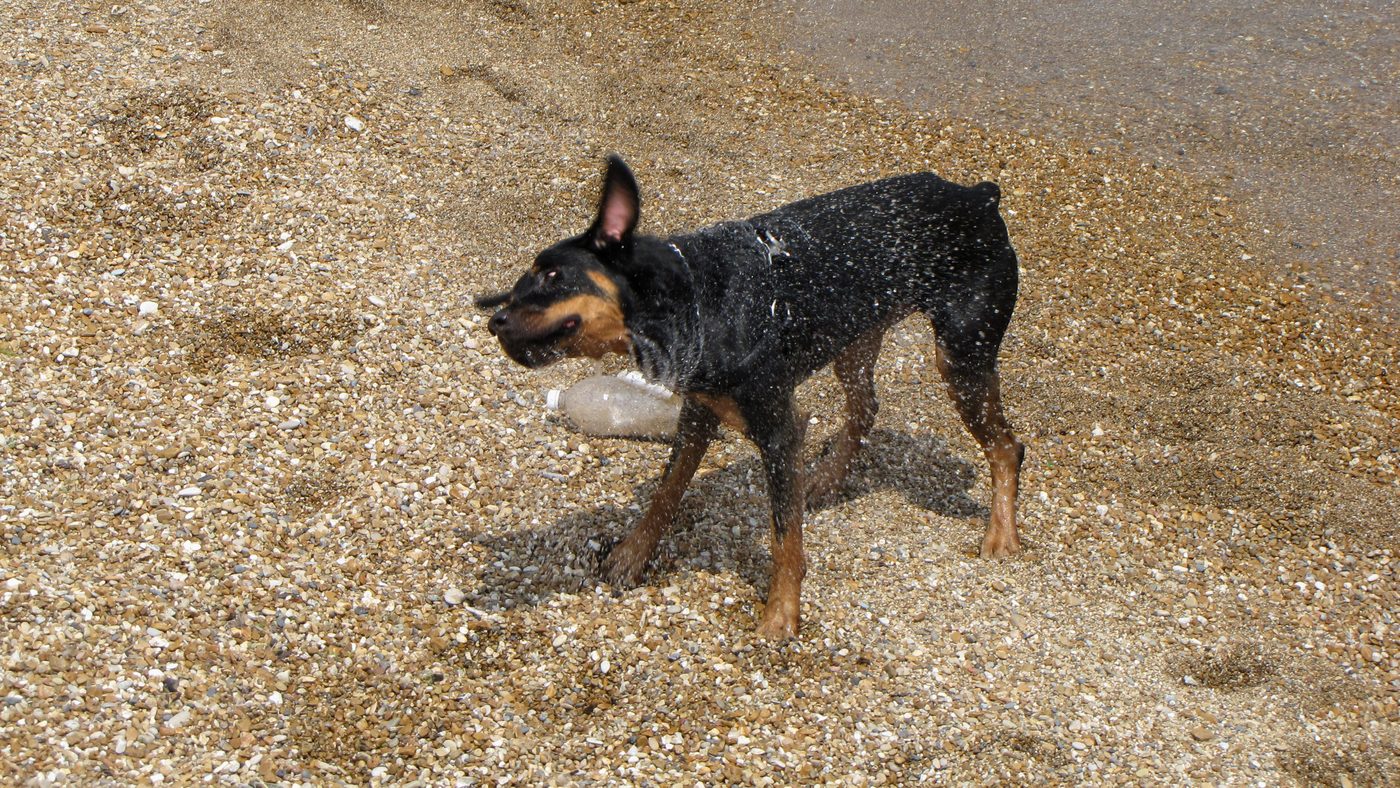
Here's the thing most people get wrong about dogs and water: plenty of dogs can't swim well, and even strong swimmers drown when they're tired, cold, or caught in a current. A dog life jacket isn't overprotective — it's the same logic as a seatbelt. Cheap insurance for the day everything goes sideways near water.
Which dogs actually need one
Some breeds are built like anchors. Bulldogs, pugs, basset hounds, and dachshunds have body shapes — big heads, short legs, dense torsos — that make swimming genuinely difficult. These dogs should wear a life jacket for any meaningful water time, no exceptions. Senior dogs, puppies, and dogs recovering from injury or surgery tire faster than they expect, and fatigue is what turns a fun swim dangerous.
Then there are the situational cases: any dog on a boat, dock, or paddleboard should wear one, because falling overboard far from shore is a different emergency than splashing in the shallows. Dogs swimming in rivers, the ocean, or anywhere with current need one regardless of swimming ability — current exhausts even athletic dogs fast. Cold water is its own risk: it saps strength and can trigger cold shock, and a jacket's insulation buys time.
The only dogs that arguably don't need one are strong, experienced swimmers in calm, warm, shallow water with an owner right there. And even then, plenty of owners use one anyway. There's no penalty for extra safety except a dog that looks slightly ridiculous, which most dogs don't mind.
Fit: the three measurements that matter
A life jacket that doesn't fit is barely better than no jacket. Too loose and it rides up, twists, or slides off when the dog actually needs it; too tight and it restricts breathing and movement. Get three measurements with a soft tape: the girth (around the widest part of the ribcage, just behind the front legs), the neck (where a collar sits), and the back length (base of neck to base of tail).
Girth is the critical one — it's what every size chart is built around. If your dog falls between sizes, size up for barrel-chested breeds and consider sizing down for slender dogs, but always check the return policy. A jacket should be snug enough that you can fit two fingers under the straps but not so loose that it shifts when you tug it side to side on dry land.
Do the dry-land test before the first swim: put the jacket on, adjust every strap, then lift the dog slightly by the jacket's handle. If the dog slides out or the jacket rides up over its head, the fit is wrong. Better to discover this in the living room than in three feet of surf.
Features worth paying for
The grab handle is the single most important feature. It's how you haul a dog back onto a boat, dock, or paddleboard — and in an emergency, it's how you keep hold of a panicking dog. The handle should be sturdy, centrally positioned over the dog's center of gravity, and stitched into the jacket's structure, not just tacked onto the fabric. Cheap handles tear at the worst moment.
Buoyancy placement matters more than total float. Good jackets concentrate flotation under the belly and around the neck, keeping the dog's head above water in a natural swimming position. Jackets with all the foam on top ride high and can tip a dog's face toward the water — exactly wrong. Look for designs with a chin-support panel or extra neck flotation for weak swimmers and flat-faced breeds.
Visibility is underrated until you need it. Bright colors — neon yellow, orange, hot pink — are dramatically easier to spot in water than navy or camo. Reflective trim adds low-light visibility for evening boat rides. If you're choosing between a cool-looking dark jacket and a loud neon one, pick loud every time.
A sturdy D-ring or leash attachment point is useful for dock walks and boat decks, but it should never be the primary restraint in rough water — the handle is for lifting, the D-ring is for casual tethering. Multiple adjustable straps (neck, belly, rear) beat two-strap designs for staying put on wiggly dogs.
Different water, different demands
Pool swimming is the gentlest case: calm water, an owner nearby, easy exits. A basic well-fitted jacket is plenty. The bigger pool concern is actually exit strategy — teach the dog where the steps are, because exhausted dogs drown in pools trying to climb out the wrong side.
Lakes and rivers add current, depth, and distance from shore. Prioritize secure fit and strong handles here — if the dog gets swept downstream, you're grabbing that handle. Rinse the jacket after lake swims; algae and mud degrade straps and buckles over time.
Ocean and boating are the serious end. Salt water, waves, wind, and real distance from help. Go for maximum buoyancy, the brightest color available, and the toughest handle. On boats, the jacket stays on whenever the dog is on deck — the overboard scenario gives you seconds, not minutes. Salt water is brutal on hardware, so rinse everything after every outing and check buckles for corrosion monthly.
Introducing the jacket without a fight
Don't strap it on at the lake and throw the dog in. Let the dog sniff and investigate the jacket at home, then put it on for short, treat-filled sessions indoors. Walk around the house, then the yard. Most dogs accept a jacket within a few sessions if the first experiences involve cheese rather than waves.
First swim should be calm, shallow, and short — a gradual entry where the dog chooses to go in, not a dock launch. Let the dog feel the buoyancy and find its stroke. Some dogs swim awkwardly at first in a jacket; that's normal, and they adjust within minutes. Keep early sessions under 15 minutes and watch for fatigue: heavy panting, slowed paddling, or the dog trying to climb out means done for the day.
Puppies, seniors, and between-size dogs
Puppies grow fast, which makes buying a life jacket feel like buying shoes for a toddler. The practical approach: buy for the dog's current girth with room to adjust outward, and accept you'll size up once. Many jackets have enough strap range to cover a few months of growth. For seniors, prioritize jackets that are easy to put on — step-in or wide-opening designs beat pullover styles when joints are stiff and patience is thin. If your dog falls between sizes, the tiebreaker is body shape: deep-chested, muscular dogs usually do better sized up, while slender dogs stay put better sized down. When in doubt, order both sizes from a retailer with free returns and do the living-room lift test on each.
Frequently asked questions
Can all dogs swim naturally?
No — it's a myth that swimming is instinctive for every dog. Many dogs paddle inefficiently, panic, or sink due to body shape. Never assume; test in shallow water with the dog wearing a jacket.
How tight should a dog life jacket be?
Snug enough that it doesn't shift when tugged side to side, with room for two fingers under the straps. If you can lift the dog by the handle without the dog sliding out, the fit is right.
Do I need to rinse the jacket after swimming?
Yes — especially after salt water or chlorinated pools. Rinse with fresh water, hang to dry out of direct sun, and inspect straps and buckles regularly. Salt corrodes hardware fast.
Can my dog wear the life jacket all day at the lake?
For supervised water time, yes. But give the dog breaks out of the jacket to avoid chafing, especially under the front legs where straps rub. Check for red spots after long wear days.