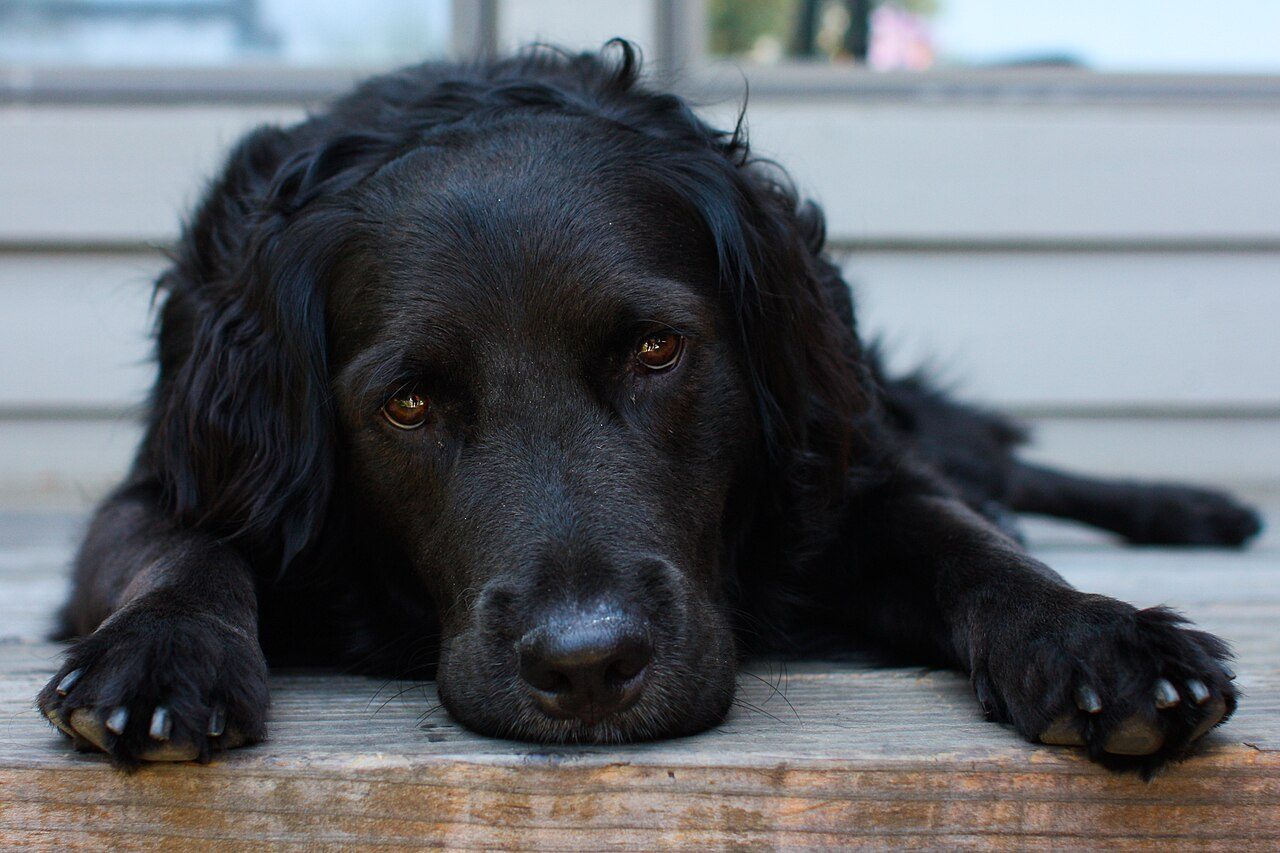
Is your dog napping peacefully or eating the couch? A dog camera answers the question — and the good ones do more than watch. This guide covers which camera features actually help with separation anxiety, and the honest limits of what a camera can fix.
What a camera can and can't do
Let's be clear up front: a camera is a diagnostic tool, not a treatment. It tells you whether the "anxiety" is twenty minutes of settling followed by a nap (normal) or hours of pacing, drooling, and destruction (a real problem needing a vet or behaviorist). That distinction is genuinely valuable — most owners dramatically misjudge what happens when they leave.
What cameras can't do: fix anxiety. Two-way audio and treat-tossing are nice, but a disembodied voice sometimes startles anxious dogs more than it soothes them. Buy the camera for information first; treat the interactive features as a bonus.
The features that actually matter
- Reliable motion and sound alerts. The point is knowing when distress starts, not watching an empty room for eight hours. Good alert tuning (sensitivity zones, bark vs. noise detection) separates useful cameras from notification spam machines.
- Two-way audio. Worth having for the occasional check-in, but test your dog's reaction — some dogs find the voice comforting, others find a voice with no person deeply confusing. Never use it to scold remotely; you'll poison the camera's presence.
- Treat tossing. Genuinely useful for counter-conditioning: toss a treat on a schedule and the camera becomes a predictor of good things. It's also the feature most likely to jam — read reviews about the mechanism, not just the camera.
- Night vision and wide angle. Dogs do their worst (and cutest) in dim rooms. Infrared night vision and a wide field of view mean one camera covers the whole room.
- Local vs. cloud storage. Cloud clips cost a subscription forever; local storage (microSD) is free after purchase. For separation-anxiety diagnosis you need a few days of clips, not a lifetime archive — local is usually plenty.
Reading what you see
Normal alone-time behavior: some initial restlessness for 10–30 minutes, then sleep, with periodic position changes. Concerning behavior: continuous pacing or circling, excessive drooling or panting, escape attempts at doors and windows, self-injury, or vocalizing for most of the absence. Film a typical day and show it to your vet or a certified separation-anxiety trainer — video evidence gets you a real diagnosis instead of guesswork.
Pair the camera with proper crate setup or a safe confinement area, plus departure desensitization (picking up keys without leaving, short practice absences). The camera measures whether the training is working.
What this guide does not cover
True separation anxiety is a clinical condition — cameras, calming music, and ThunderShirts are adjuncts, not treatment. If your dog injures themselves, destroys exit points, or can't tolerate even brief absences, see a veterinarian (medication is sometimes appropriate) and a certified separation anxiety trainer. We also don't review specific camera brands.
Frequently asked questions
Will talking to my dog through the camera help?
Sometimes it soothes, sometimes it confuses — test it while you're home and watch the reaction. Keep check-ins brief and cheerful, and never use the speaker for corrections.
Do I need a pet-specific camera or will a regular security camera work?
A regular indoor security camera covers watching and alerts for much less money. Pet-specific cameras earn their premium through treat tossing and bark-specific alerts — worth it if you'll use those features.
Where should I point the camera?
At the dog's main resting area and the exit door — that covers 90% of anxiety behavior. One well-placed camera beats three badly placed ones.
Is it okay to watch my dog all day?
Checking in is fine; obsessing isn't healthy for you either. Set motion alerts and otherwise let the camera do the watching — that's what the alerts are for.