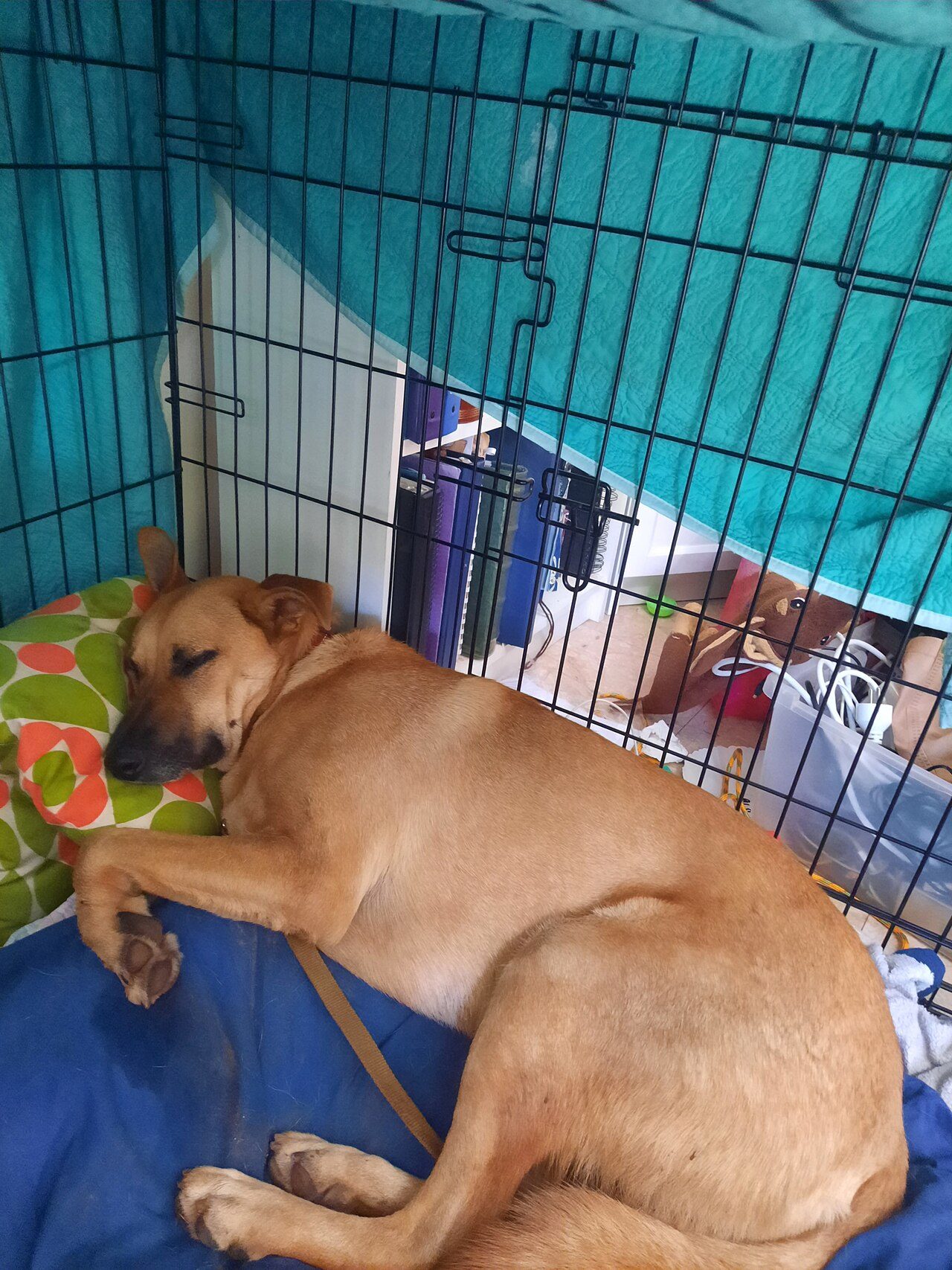
A crate is either a den or a jail — the difference is the gear and the training, not the dog. This guide covers the crate setup that actually helps: sizing, dividers, covers, bedding, and the routine that teaches a dog to love their crate instead of fearing it.
Choosing the right crate
Size is the whole game. The crate should be big enough for the dog to stand up, turn around, and lie down stretched out — and no bigger. Too much space and puppies will sleep in one corner and toilet in the other, which defeats house training. For a growing puppy, buy the adult-size crate and use a divider panel to shrink the space, expanding it as the puppy grows.
Wire crates are the best default: ventilated, visible, foldable, and they accept dividers. Plastic travel crates feel more den-like and suit anxious dogs or air travel. "Furniture" crates look nice but cost triple and clean worse. Heavy-duty aluminum crates are for escape artists who treat wire crates as a suggestion.
The gear that makes the crate work
- Divider panel. Non-negotiable for puppies. Most wire crates include one — if yours doesn't, buy the matching panel before the puppy comes home.
- Crate cover. A fitted cover (or a blanket in a pinch) darkens the crate and signals "den, not display case." Anxious dogs settle dramatically faster in a covered crate. Leave the door end uncovered for airflow.
- Bedding. Start cheap — an old towel or a washable crate pad. Puppies have accidents, and chewers destroy nice bedding. Upgrade to a proper chew-resistant bed once the dog is reliable. Never use anything with stuffing for an unsupervised chewer.
- Water. A clip-on bowl or lixit-style bottle for longer crate stays. Spill-proof bowls save you from swimming-pool bedding.
- Safe chews. A stuffed frozen Kong is the classic crate companion — it builds a positive association and keeps the dog busy. Match the chew to the dog's strength with our chew toy guide.
The training routine (more important than the gear)
No product replaces the conditioning. The short version: feed every meal in the crate with the door open, toss treats in randomly so the dog "discovers" good things inside, then close the door for seconds — not hours — and build up. Crate the dog when they're already tired, never as punishment, and never for longer than the dog can comfortably hold it (roughly one hour per month of age for puppies, max).
Whining in the first nights is normal. Wait for a pause — even a two-second one — before opening the door, so you reward quiet, not noise. If the dog is panicking rather than protesting (drooling, bent crate bars, self-injury), stop and talk to a trainer; that's anxiety, not stubbornness.
What this guide does not cover
Crate training has real limits. Dogs with true separation anxiety often panic harder in confinement — for them, a crate can be dangerous, and you need a veterinarian or certified behaviorist, not better gear. This guide also doesn't cover airline crate regulations; check your specific airline's rules before buying a travel crate.
Frequently asked questions
How long can a dog stay in a crate?
Adult dogs: 4–6 hours is reasonable for most; 8+ hours regularly is too much for any dog. Puppies: about one hour per month of age. A full workday in a crate needs a midday break, every day.
Should the crate be in my bedroom?
For the first weeks, yes — near you helps puppies settle and lets you hear when they need a night toilet trip. Move it gradually once the routine is solid.
My dog hates the crate. Now what?
Go back to square one: door open, meals inside, zero pressure. Most "crate-hating" dogs were rushed. A small number truly can't tolerate confinement — respect that and use a puppy-proofed room instead.
Is it cruel to crate a dog?
A properly introduced crate is a bedroom, not a cell — many dogs choose to nap in theirs with the door open. What's cruel is 10-hour confinement with no break, or using the crate as punishment.