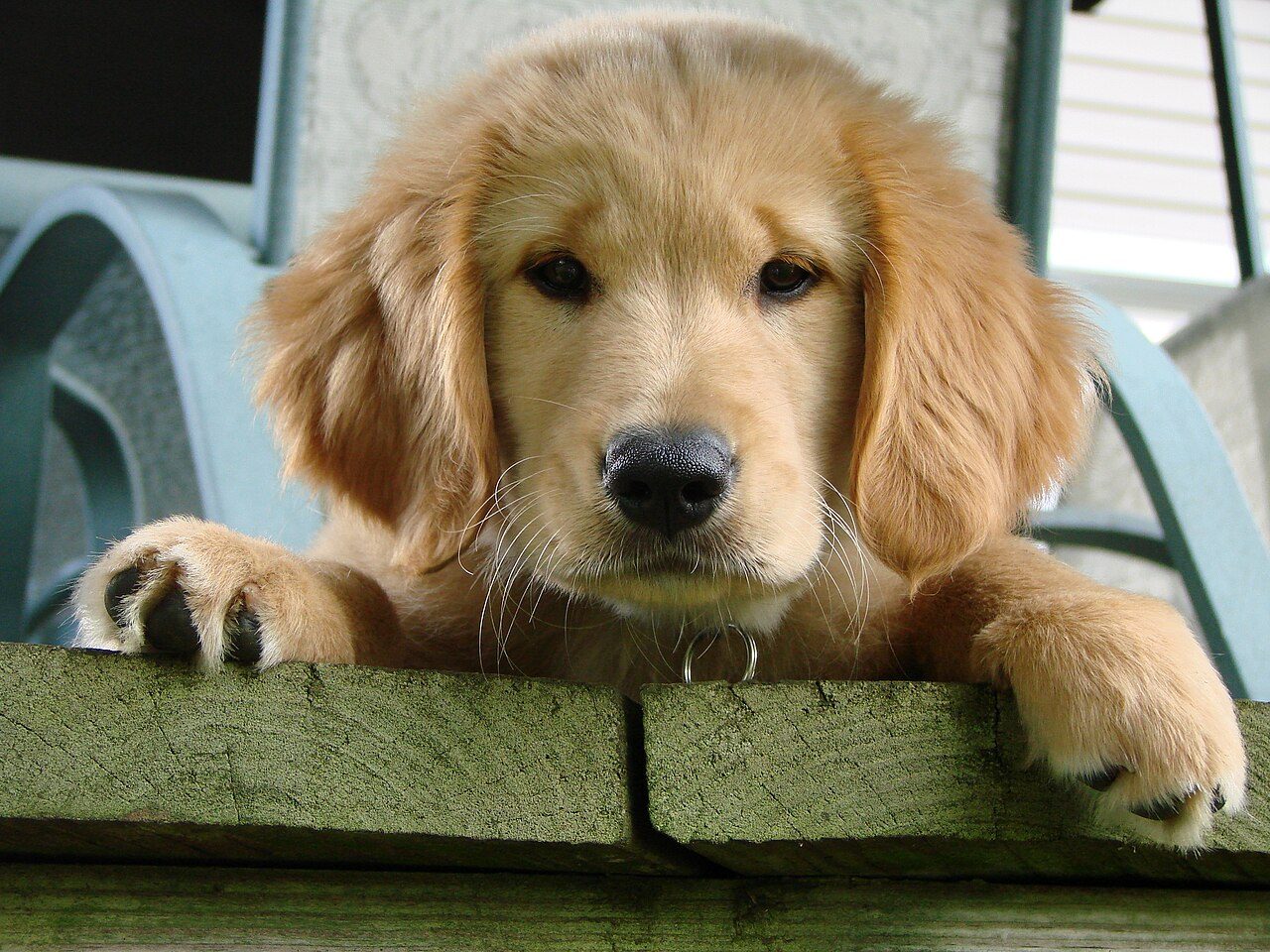
Bringing home a puppy is wonderful chaos. This is the first-week kit — the crate, food, vet visit, and the ten things new owners always forget — so you're ready before the puppy is, not scrambling after.
The non-negotiables (get these before pickup day)
- Crate with divider. Sized for the adult dog, divided down for the puppy. See our crate training guide for the full setup.
- The puppy's current food. Ask the breeder or shelter what they're eating and buy a small bag of the same. Switch foods gradually over a week — a sudden switch plus new-home stress equals digestive disaster.
- Food and water bowls. Stainless steel: chew-proof, dishwasher-safe, and they don't harbor bacteria like plastic.
- Collar, ID tag, and leash. Tag with your phone number goes on before the puppy leaves the pickup location. A lightweight 6-foot leash; skip retractable leashes entirely.
- Enzyme cleaner. Not regular cleaner — enzymatic. Accidents will happen, and only enzyme cleaners fully remove the scent markers that invite repeat performances.
- Vet appointment. Booked within the first 72 hours. Bring vaccination records and ask about the local vaccine schedule, parasite prevention, and spay/neuter timing.
The ten things everyone forgets
- Puppy gate or pen. You can't watch a puppy 24/7; containment you trust is freedom for both of you.
- Chew toys in multiple textures. Teething puppies chew constantly — redirect to toys, not furniture. Our chew toy guide covers toughness tiers.
- Treat pouch. Training starts day one, and fishing treats from pockets is too slow. A clip-on pouch keeps rewards instant.
- Old towels. For crates, cars, muddy paws, and bath time. Buy a stack from the thrift store.
- Puppy shampoo. They will find mud. Human shampoo is the wrong pH for dog skin.
- Nail clippers or grinder. Start handling paws in week one so nail trims aren't a rodeo later.
- Poop bags + holder. Clipped to every leash you own. Running out is inevitable exactly once.
- A snuggle-safe comfort item. A blanket that smells like the breeder or a heartbeat plush toy eases the first lonely nights.
- Bitter apple spray. For furniture legs and baseboards during the land-shark phase.
- Pet insurance research. Not the policy itself on day one — but compare plans before you need one, because pre-existing conditions aren't covered later.
The first-week rhythm
Keep week one boring: same food, same small area of the house, crate routine from night one, and potty trips after every sleep, meal, play session, and every 1–2 hours in between. Socialization starts immediately too — but it's about positive exposure (sounds, surfaces, gentle people), not the dog park. Carry the puppy in public places until vaccinations are complete.
Start training on day one with tiny, soft treats: name recognition, sit, and "come" are all teachable in the first week in five-minute sessions.
What this guide does not cover
This is a gear and logistics checklist, not a training or health manual — for behavior problems or health concerns, see a certified trainer or your vet. Breed-specific needs (a husky puppy and a bulldog puppy are different projects) deserve breed-specific research beyond any checklist.
Frequently asked questions
How much does the first month with a puppy cost?
Typically $300–$800 beyond the adoption/purchase price: vet visit and vaccines, crate, food, toys, cleaner, and incidentals. Pet insurance adds $30–$70/month if you choose it.
When can my puppy go for walks?
Leash skills start at home immediately; public ground walks wait until vaccinations are further along — your vet gives the local all-clear, usually around 16 weeks for full socialization.
Should I let the puppy sleep in my bed?
Crate first. A puppy that sleeps through the night in a crate for the first months can earn bed privileges later with zero downside; reversing the order is much harder.
What if I forgot something on this list?
Pet stores exist for a reason — the non-negotiables above are the only true day-one items. Everything else can wait a week without harm.